Many drivers in Abu Dhabi ignore it at first, hoping it will go away. But brake noise is often your car’s way of asking for care.
If you take action early, you avoid big repair bills later and keep your ride safe. Many people visit a reliable car garage in Mussafah, like Exotic Auto Servics, with the same problem, so you are not alone.
Brake noise is not always bad news. Sometimes it is a simple fix. Sometimes it shows a deeper issue. This guide explains why brakes squeak, what it means, and how to handle it with confidence.
Why Brakes Make Noise in the First Place
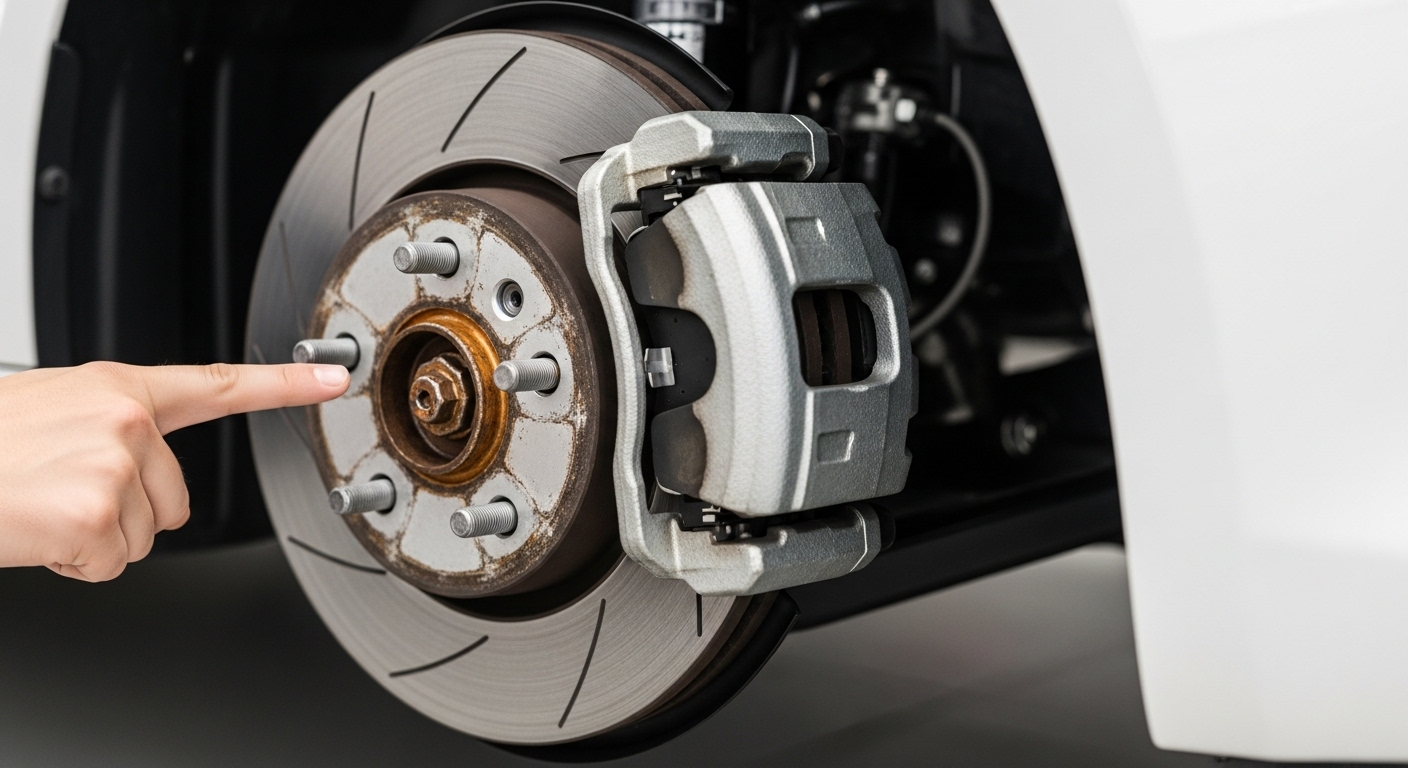
Brakes work by pressing the brake pads against the rotors. This creates friction that slows the wheels.
When anything in this process loses balance, noise appears. A squeak may sound small, but it signals something worth checking.
Understanding the common reasons helps you stay calm and take smart action.
1. Worn-Out Brake Pads
This is the most common cause of brake squeaking. Brake pads come with a small metal strip called a “wear indicator.”
When the pads get thin, this strip touches the rotor and makes a squeaking sound. This is actually a helpful warning.
Why does it happen?
Brake pads wear down with daily use.
Heat, dust, and traffic conditions speed up the process.
Abu Dhabi’s hot climate adds more wear due to high road temperatures.
What it means:
Your car is reminding you to replace the pads soon. If you replace them in time, you save your rotors from damage and keep braking smooth.
2. Dust, Dirt, or Sand Between Pads and Rotors
Abu Dhabi has dusty roads. Tiny particles of sand often settle between the brake pad and rotor.
When you press the brake, these particles create a squeaking or scraping sound.
Signs:
- Squeak happens only sometimes
- Noise is louder after long drives
- You notice dust on the wheels
Good news:
This is easy to fix. A simple cleaning or brake service removes the noise.
3. Glazed Brake Pads or Rotors
Over time, brake pads and rotors heat up. When they get too hot, the surface becomes hard and shiny, known as glazing.
Glazed parts do not grip well, so they squeak.
Common causes:
- Long braking downhill
- Heavy braking in traffic
- Using low-quality pads
- Hot weather driving
Why you should fix it:
Glazed pads reduce braking power. Replacing or resurfacing the rotors returns your brakes to full strength.
4. Moisture on the Brakes
Sometimes the squeaking sound appears early in the morning. This happens because dew or moisture forms a thin layer of rust on the rotor.
When you drive, the rust wears off, and the sound disappears.
This is normal. You only need to worry if the sound continues all day.
5. Loose or Worn Brake Hardware
Brakes have small clips, springs, and shims that keep the pads tight. If any of these loosen, the pads move slightly and create noise.
Warning signs:
- Metal clicking when you brake
- Vibration in the pedal
- Squeak even after replacing pads
Solution:
A mechanic can tighten or replace the hardware, which is a quick and low-cost repair.
6. Low-Quality Brake Pads
Not all pads are made the same. Cheaper pads use hard materials that tend to squeak from day one.
They may last long, but they do not give a smooth and quiet stop.
Tip:
Always choose good-quality brake pads. They last longer, reduce noise, and keep your car safe.
7. Brake Caliper Issues
The brake caliper holds the pads and pushes them against the rotor. If the caliper sticks, it causes uneven pressure.
This leads to squeaking, burning smells, or even smoke.
This needs quick care. A stuck caliper can damage pads, rotors, and even affect your fuel use.
Why You Should Never Ignore Brake Noise
A squeaking brake may seem small, but it can grow into a bigger problem if ignored. Brakes are one of the most important safety components of your car.
When they do not work properly, stopping distance increases, accidents become more likely, and repair costs rise.
Ignoring brake noise can lead to:
- Rotor damage
- Pad breakage
- Overheating brakes
- Higher repair bills
- Unsafe driving
Checking brakes early keeps you safe and saves money.
How to Check Brake Noise at Home
You do not always need expert tools to understand your brakes. These simple checks help you detect problems early.
1. Look at the Brake Pads
If you can see the pads through the wheel, check their thickness. If they look thin, they need replacement.
2. Check for Dust or Sand
A quick rinse of the wheels removes basic dust. If the noise reduces afterward, dust was the cause.
3. Listen to When the Noise Happens
- Noise during slow braking = pad wear
- Noise only in the morning = moisture
- Noise with vibration = rotor or caliper issue
4. Pay Attention to Other Signs
- Soft brake pedal
- The car is pulling to one side
- Burning smell
- Brake warning light
If you notice any of these, visit a professional right away.
Common Myths About Brake Squeaking
Many drivers believe things that are not true about brakes. Here are the most common myths:
Myth 1: A Little Noise Is Normal
Not always. Some noise can be normal, but continuous squeaking signals a problem.
Myth 2: Only Old Cars Make Noise
Even new cars can squeak if dust, moisture, or cheap pads are used.
Myth 3: You Only Need to Change Pads
Sometimes rotors, hardware, or calipers also need attention.
Myth 4: High-Quality Pads Never Make Noise
Even good pads make noise if installed incorrectly or if the hardware is loose.
Professional Solutions for Squeaking Brakes
A reliable service center can quickly find the cause. Here’s what a professional brake inspection includes:
1. Brake Pad Check and Replacement
Experts check the pad thickness and replace it if needed with high-quality parts.
2. Rotor Resurfacing or Replacement
If rotors are glazed or worn, resurfacing or replacing them removes noise and improves safety.
3. Cleaning the Brake System
Removing dust and sand gives immediate improvement.
4. Lubricating Brake Hardware
This keeps the pads moving smoothly without noise.
5. Checking Calipers
A mechanic ensures calipers are not stuck and are working evenly.
Professional care keeps your car quiet, safe, and ready for long drives.
How Abu Dhabi’s Climate Affects Brake Noise
The weather in Abu Dhabi creates a unique environment for cars.
Heat
High temperatures heat brake faster, increasing wear and glazing.
Dust and Sand
These enter the brake system easily and cause squeaking.
Stop-and-Go Traffic
Heavy traffic puts more pressure on your brakes.
Knowing this helps you take better care of your car and plan regular brake checks.
How to Prevent Brake Squeaking
You can reduce brake noise by following simple habits.
1. Choose High-Quality Brake Pads
They last longer and work better.
2. Avoid Heavy Braking
Slow down early instead of braking hard.
3. Keep Your Wheels Clean
Wash away dust and sand often.
4. Service Your Brakes Regularly
A routine brake service catches small issues early.
5. Avoid Riding the Brakes
Keep your foot off the brake pedal when not needed.
6. Get Professional Inspections
A brake check every few months is smart and affordable.
Final Thoughts
A squeaking brake is not something to fear. It is simply your car speaking up.
Whether it’s dust, worn pads, or loose hardware, the issue can be fixed easily when caught early.
Taking action keeps you safe, saves money, and gives you peace of mind on every drive in Abu Dhabi.
When you understand what your brakes are telling you, you make better driving decisions and enjoy a smoother ride every day.